
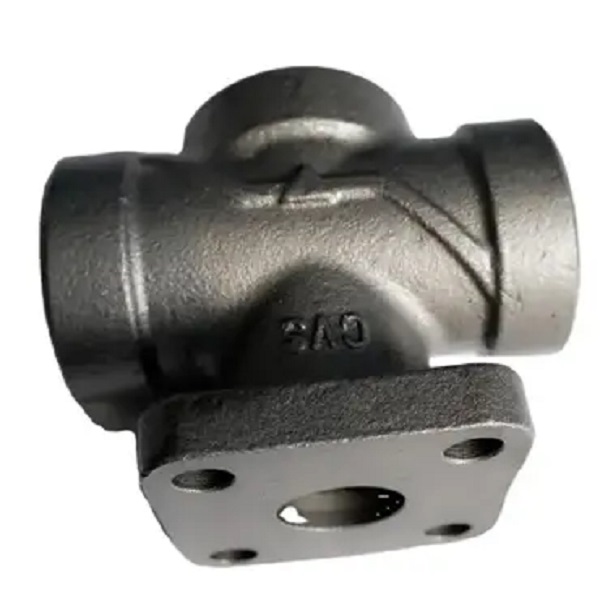
EN-GJS-700-2 stands as a high-performance ductile iron material delivering exceptional strength and wear resistance across demanding industrial applications. Understanding EN-GJS-700-2 chemical composition and EN-GJS-700-2 equivalent material grades enables engineers to optimize component design and select appropriate specifications for heavy-duty applications. This comprehensive guide explores the EN-GJS-700-2 material specification, composition details, and practical applications that make it the preferred choice for high-stress machinery components, agricultural equipment, and mining applications.
Industry professionals value EN-GJS-700-2 material for several compelling reasons:
- Minimum tensile strength of 700 MPa provides excellent load-bearing capacity for high-stress applications
- Superior wear resistance extends component service life in abrasive environments
- Good machinability despite high hardness reduces manufacturing costs
- Predominantly pearlitic structure delivers exceptional hardness and strength
- Proven reliability across heavy machinery, agricultural equipment, and mining operations
- Cost-effective alternative to heat-treated steel for complex geometries
Engineers who understand the EN-GJS-700-2 composition, material properties, and EN-GJS-700-2 equivalent grades can select appropriate specifications and achieve optimal performance in demanding service conditions.
Key Takeaways
- EN-GJS-700-2 delivers minimum 700 MPa tensile strength suitable for high-load machinery applications
- The EN-GJS-700-2 chemical composition includes controlled carbon and silicon for optimal nodular graphite formation
- International EN-GJS-700-2 equivalent grades include QT700-2 (China), FCD700 (Japan), and ASTM A536 100-70-03 (USA)
- EN-GJS-700-2 mechanical properties include 240-300 HB hardness with excellent wear resistance
- The nodular graphite structure provides superior strength compared to gray cast iron
- Applications include gear wheels, agricultural plow parts, crusher components, crankshafts, and cam shafts
- Professional ductile iron casting foundries with ISO certification ensure consistent EN-GJS-700-2 material properties
- The EN-GJS-700-2 material specification follows EN 1563 standard requirements for production and testing
What Is EN-GJS-700-2 Material?
Material Classification
EN-GJS-700-2 follows the European standard designation system established by EN 1563 for ductile iron materials. The nomenclature breaks down into specific technical indicators defining material characteristics. “EN” signifies European Norm standardization, ensuring consistent EN-GJS-700-2 material specification across manufacturing regions. “GJS” identifies the material as ductile iron with spheroidal graphite structure, distinguishing it from gray cast iron which uses “GJL” designation. The number “700” indicates minimum tensile strength of 700 megapascals, while “2” represents minimum elongation of 2%.
This standardized designation system helps engineers and procurement specialists quickly identify EN-GJS-700-2 material properties without consulting detailed specification documents. The naming convention eliminates confusion when sourcing materials internationally. Manufacturers reference the same EN-GJS-700-2 composition and performance characteristics regardless of geographic location or supplier.
The material also carries alternative designations in various regions. Understanding multiple designation formats facilitates material verification during procurement and quality control processes. The EN-GJS-700-2 equivalent system enables seamless communication across global supply chains.
Note: The spheroidal graphite structure distinguishes EN-GJS-700-2 from gray iron (EN-GJL series) where graphite appears in lamellar form. This microstructural difference fundamentally impacts mechanical properties and application suitability.
Microstructure Characteristics
The distinctive performance characteristics of EN-GJS-700-2 material stem from its carefully developed microstructure during solidification. Molten iron containing the appropriate EN-GJS-700-2 chemical composition receives nodulizing treatment (typically magnesium addition) causing graphite to precipitate in spheroidal form throughout the metallic matrix. These graphite nodules distribute uniformly, creating the characteristic ductile iron structure.
The metallic matrix surrounding graphite nodules consists predominantly of pearlite in EN-GJS-700-2 material. Pearlite provides high strength and hardness compared to ferritic ductile irons. The pearlitic structure contributes to the material’s excellent wear resistance and mechanical strength suitable for heavy-duty applications.
| Microstructure Component | Typical Content | Contribution to Properties |
|---|---|---|
| Spheroidal Graphite | 10-15% by volume | Ductility, machinability, stress distribution |
| Pearlite | >80% | High strength, hardness, wear resistance |
| Ferrite | <20% | Limited presence at nodule boundaries |
| Steadite | Minor amounts | Results from phosphorus content |
The graphite nodules interrupt crack propagation paths, providing EN-GJS-700-2 mechanical properties superior to gray cast iron. The spherical shape minimizes stress concentration compared to flake graphite, enabling higher strength and modest ductility. However, the predominantly pearlitic matrix prioritizes strength over ductility.
The pearlitic matrix delivers mechanical strength approaching medium-carbon steels while maintaining excellent casting characteristics. This combination makes EN-GJS-700-2 material properties particularly valuable for applications requiring castability, good machinability, and high strength.
Key Performance Attributes
EN-GJS-700-2 excels in applications where high strength and wear resistance provide optimal performance. The material demonstrates excellent wear resistance due to its hard pearlitic matrix and favorable graphite morphology. Components manufactured from EN-GJS-700-2 material withstand abrasive wear and surface contact better than lower-grade ductile irons.
Strength characteristics represent the most distinctive advantage of this high-performance ductile iron. The EN-GJS-700-2 mechanical properties include tensile strength of 700 MPa minimum, enabling the material to replace heat-treated steel in many applications. The high yield strength ensures dimensional stability under working loads.
Machinability of EN-GJS-700-2 material remains good despite its high hardness. The spheroidal graphite acts as chip breakers during cutting operations, though not as effectively as flake graphite in gray iron. Manufacturing operations achieve reasonable productivity when machining ductile iron components using appropriate tooling.
Tip: When designing heavy machinery requiring high strength with reasonable machinability, consider EN-GJS-700-2 to replace heat-treated steel while reducing manufacturing costs through casting complex geometries.
EN-GJS-700-2 Chemical Composition
Understanding EN-GJS-700-2 chemical composition provides critical insight into material behavior during casting and service performance. The EN-GJS-700-2 composition includes carefully balanced elements that control graphite formation, matrix structure, and mechanical properties. Each element in the EN-GJS-700-2 chemical composition serves specific purposes in achieving desired casting characteristics and performance outcomes.
Primary Alloying Elements
Carbon (C): 3.4% to 3.8%
Carbon content directly determines graphite quantity and distribution throughout the EN-GJS-700-2 material. The high carbon concentration enables excellent casting fluidity, allowing complex geometries to fill completely during pouring. During solidification, carbon precipitates as spheroidal graphite nodules when magnesium treatment and cooling conditions promote nodular formation.
The EN-GJS-700-2 chemical composition specifies carbon content within a range balancing casting fluidity, graphite morphology, and final mechanical properties. Adequate carbon creates sufficient graphite nodules providing ductility and machinability. The carbon level works with silicon content to achieve proper carbon equivalent.
Foundries monitor carbon content closely during melting operations. Spectrographic analysis verifies carbon levels before pouring each heat. The carbon equivalent (CE = %C + %Si/3 + %P/3) typically ranges from 4.3 to 4.6 for optimal EN-GJS-700-2 material properties.
Silicon (Si): 2.0% to 3.0%
Silicon acts as the primary graphitizing element in ductile iron production. Higher silicon content within the EN-GJS-700-2 composition range promotes graphite nodule formation and influences matrix structure. Silicon also strengthens ferrite in the matrix and promotes pearlite formation when combined with appropriate cooling rates.
The silicon range in EN-GJS-700-2 chemical composition balances graphitization benefits against potential matrix effects. Silicon promotes the predominantly pearlitic matrix structure characteristic of this high-strength grade. Modern foundries optimize silicon content based on component section thickness and desired microstructure.
Silicon measurement requires accurate spectroscopic analysis during production. The combined effect of carbon and silicon determines graphite formation tendency and final EN-GJS-700-2 mechanical properties. Foundries use carbon equivalent calculations to predict material behavior and control production consistency.
Manganese (Mn): 0.3% to 0.6%
Manganese contributes significantly to pearlite formation in the matrix structure of EN-GJS-700-2 material. This element promotes pearlitic rather than ferritic solidification, increasing strength and hardness. The controlled manganese addition in EN-GJS-700-2 composition strengthens the matrix creating the high-strength characteristics.
Manganese also neutralizes sulfur by forming manganese sulfide inclusions, protecting magnesium from sulfur interference during nodulizing treatment. The manganese content must be carefully balanced to achieve predominantly pearlitic structure without excessive carbide formation.
Excessive manganese can promote carbide formation and reduce beneficial effects of spheroidal graphite. The specified range provides optimal pearlite development while maintaining good casting characteristics and nodule formation.
Copper (Cu): 0.5% to 0.8% (Optional)
Copper additions promote pearlite formation and increase tensile strength. Many EN-GJS-700-2 production practices include copper to ensure predominantly pearlitic structure. Copper also provides some solid solution strengthening of the ferrite surrounding graphite nodules.
The copper addition proves particularly useful in heavier casting sections where slower cooling might otherwise produce excessive ferrite. Copper helps maintain consistent EN-GJS-700-2 mechanical properties across varying section thicknesses.
Nodulizing and Inoculation Elements
Magnesium (Mg): Residual 0.03% to 0.06%
Magnesium represents the critical nodulizing agent causing graphite to form spheroidal shapes instead of flakes. The magnesium addition typically occurs in the ladle immediately before casting. Magnesium has high affinity for sulfur and oxygen, requiring careful treatment procedures.
Residual magnesium in solidified castings typically measures 0.03-0.06% after treatment. This residual level indicates successful nodulizing while avoiding excessive magnesium that might cause casting defects. Proper magnesium treatment is essential for achieving EN-GJS-700-2 material properties.
Cerium (Ce): 0.01% to 0.03% (Alternative Nodulizer)
Some foundries use cerium-based nodulizers either alone or combined with magnesium. Cerium provides gentler treatment reactions compared to pure magnesium. The choice between magnesium and cerium systems depends on foundry practices and specific application requirements.
Impurity Elements
Sulfur (S): 0.01% to 0.02% (Maximum)
Sulfur content in EN-GJS-700-2 chemical composition requires stringent control during production. Sulfur interferes with magnesium nodulizing treatment by forming magnesium sulfide rather than allowing magnesium to modify graphite shape. Ductile iron requires much lower sulfur than gray iron.
The EN-GJS-700-2 composition maintains very low sulfur content ensuring effective nodulizing treatment. Foundries select raw materials including pig iron, steel scrap, and foundry returns based on low sulfur content. Desulfurization treatments may be necessary when raw materials contain excessive sulfur.
Sulfur must be reduced below 0.02% before magnesium treatment. Manganese helps neutralize remaining sulfur by forming manganese sulfide inclusions. Sulfur control represents one of the critical factors distinguishing ductile iron production from gray iron melting.
Phosphorus (P): 0.05% to 0.08% (Maximum)
Phosphorus creates embrittlement in ductile iron by forming hard, brittle iron-iron phosphide eutectic called steadite. These compounds concentrate at grain boundaries reducing ductility and impact resistance. The phosphorus limit in EN-GJS-700-2 composition prevents excessive steadite formation.
However, phosphorus marginally improves casting fluidity. The specified maximum range balances castability against embrittlement risk. Components subjected to impact loading should minimize phosphorus content within the allowable range.
Raw material selection focuses on controlling phosphorus input. Pig iron typically contains higher phosphorus than steel scrap. Foundries blend charge materials to achieve target phosphorus levels within EN-GJS-700-2 chemical composition specifications.
EN-GJS-700-2 Composition Comparison
Comparing EN-GJS-700-2 chemical composition with adjacent ductile iron grades clarifies the material’s position within the ductile iron family:
| Element | EN-GJS-500-7 | EN-GJS-700-2 | EN-GJS-800-2 |
|---|---|---|---|
| Carbon (C) | 3.4-3.8% | 3.4-3.8% | 3.3-3.7% |
| Silicon (Si) | 2.0-3.0% | 2.0-3.0% | 1.8-2.8% |
| Manganese (Mn) | 0.2-0.4% | 0.3-0.6% | 0.4-0.7% |
| Phosphorus (P) | ≤0.10% | ≤0.08% | ≤0.05% |
| Sulfur (S) | ≤0.02% | ≤0.02% | ≤0.02% |
| Copper (Cu) | – | 0.5-0.8% | 0.6-1.0% |
Higher-strength grades show progressively more pearlite-promoting elements like manganese and copper, creating more pearlitic matrices with higher strength. The EN-GJS-700-2 composition represents a balance between high strength and reasonable machinability suitable for heavy-duty applications.
Note: EN 1563 standard specifies that EN-GJS-700-2 chemical composition serves as production guidance rather than acceptance criteria. Final acceptance depends on meeting mechanical property requirements regardless of precise composition values.
EN-GJS-700-2 Mechanical Properties
The performance characteristics defined by EN-GJS-700-2 mechanical properties determine material suitability for specific engineering applications. Comprehensive understanding of EN-GJS-700-2 material properties enables accurate stress analysis and appropriate safety factors during component design. The EN-GJS-700-2 material specification establishes minimum values ensuring reliable performance across demanding applications.
Tensile Properties
Tensile Strength (Rm): 700 MPa Minimum (Typical 700-850 MPa)
Tensile strength represents the primary acceptance criterion for EN-GJS-700-2 material specification. The minimum value of 700 MPa must be achieved when testing separately cast test bars. This high strength enables the material to replace heat-treated steel in many applications.
The tensile strength of ductile iron depends primarily on matrix microstructure and graphite morphology. Predominantly pearlitic matrices provide significantly higher strength than ferritic structures. The EN-GJS-700-2 chemical composition and cooling rate during solidification control these microstructural features.
Testing procedures follow EN 1563 or ISO 1083 standards. Test specimens are machined from separately cast test bars to ensure consistent testing conditions. The test bar dimensions and cooling rate approximate typical casting sections, providing representative EN-GJS-700-2 mechanical properties.
Yield Strength (Rp0.2): 420 MPa Minimum
The 0.2% proof stress (yield strength) indicates the stress level at which permanent deformation begins. EN-GJS-700-2 material specification requires minimum 420 MPa yield strength. The high yield strength ensures components maintain dimensional stability under working loads without permanent deformation.
The ratio of yield strength to tensile strength typically ranges from 0.60 to 0.70 for EN-GJS-700-2 material. This ratio indicates good strength with modest work hardening capacity. Design calculations often base allowable stresses on yield strength divided by appropriate safety factors.
Elongation (A): 2% Minimum
The elongation of EN-GJS-700-2 material remains modest at 2% minimum, reflecting the predominantly pearlitic matrix structure. This limited elongation distinguishes high-strength pearlitic ductile iron from ferritic grades offering higher ductility. The spheroidal graphite provides superior ductility compared to gray iron but less than ferritic ductile iron.
The modest elongation proves adequate for most structural applications when components are properly designed. Engineers should avoid specifying EN-GJS-700-2 for applications requiring significant plastic deformation or high impact energy absorption. However, the material provides reliable service in properly designed applications operating within stress limits.
| Property | EN-GJS-700-2 Value | Test Method |
|---|---|---|
| Tensile Strength (Rm) | ≥700 MPa (typical 700-850 MPa) | EN 1563, ISO 1083 |
| 0.2% Proof Stress (Rp0.2) | ≥420 MPa | EN 1563 |
| Elongation (A) | ≥2% | EN 1563 |
| Brinell Hardness (HB) | 240-300 HB | EN 1563 |
Hardness Characteristics
Brinell Hardness: 240-300 HB
Hardness measurements provide rapid verification of EN-GJS-700-2 material properties. The Brinell hardness range correlates with predominantly pearlitic matrix microstructure. Lower hardness values suggest higher ferrite content reducing strength, while higher values confirm fine pearlitic structure.
Foundries use hardness testing for production quality control. Measurements on production castings or test pieces verify that material meets expected values for the microstructure and EN-GJS-700-2 mechanical properties. Hardness testing requires less time and specimen preparation than tensile testing.
The hardness range provides excellent wear resistance in sliding contact and abrasive applications. Components operating in severe wear environments benefit from hardness values toward the upper end of the specification range. The high hardness distinguishes EN-GJS-700-2 from lower-strength ductile iron grades.
Physical Properties
Density: 7.1-7.2 g/cm³
The density of EN-GJS-700-2 material remains relatively constant regardless of composition variations within specification limits. This consistent density simplifies weight calculations during component design. The density closely approximates carbon steel (7.85 g/cm³), making EN-GJS-700-2 slightly lighter for equivalent volumes.
Weight predictions use the standard density value multiplied by component volume. Accurate density enables precise calculation of component mass for shipping, handling, and dynamic load analysis. The graphite content slightly reduces density compared to steel by replacing denser iron with lighter carbon.
Modulus of Elasticity: 169-175 GPa
The elastic modulus of EN-GJS-700-2 material properties approaches carbon steel values. Typical values around 169-175 GPa represent good stiffness for structural applications. The spheroidal graphite has less impact on modulus compared to flake graphite in gray iron.
Engineers use the modulus when calculating deflection under load. Ductile iron components deflect similarly to equivalent steel parts carrying identical loads. The high modulus combined with complex casting geometries often achieves required stiffness at lower weight than machined steel components.
Poisson’s Ratio: 0.27-0.29
Poisson’s ratio for EN-GJS-700-2 material matches typical steel values (0.27-0.30). This property affects stress calculations in multiaxial loading conditions and influences lateral strain during tensile loading. Standard stress analysis methods for steel apply to ductile iron without modification.
Thermal Properties
Thermal Conductivity: 30-33 W/(m·K)
EN-GJS-700-2 material conducts heat moderately well, though less effectively than gray cast iron. The spheroidal graphite provides less thermal pathway compared to interconnected flake graphite. Heat transfer characteristics suit applications without extreme thermal cycling requirements.
Components subjected to moderate thermal loads benefit from adequate conductivity distributing heat reasonably uniformly. The thermal conductivity supports stable operating temperatures in friction applications and power transmission components.
Coefficient of Thermal Expansion: 11.0-12.0 × 10⁻⁶/K
The thermal expansion coefficient of EN-GJS-700-2 mechanical properties matches carbon steel values closely. This compatibility minimizes thermal stress when assembling ductile iron components with steel parts. Similar expansion rates prevent loosening or binding across temperature variations during service.
Specific Heat Capacity: 460-490 J/(kg·K)
Specific heat capacity indicates the energy required to change material temperature. EN-GJS-700-2 material absorbs heat moderately compared to other metals. This property influences thermal cycling behavior and heat dissipation characteristics during operation.
Tribological Characteristics
Wear Resistance
The combination of hard pearlitic matrix and favorable graphite morphology creates excellent wear resistance. The EN-GJS-700-2 mechanical properties include superior resistance to abrasive and adhesive wear. The high hardness resists surface damage from abrasive particles and hard contact surfaces.
Components like gear teeth, cam surfaces, and agricultural implement parts benefit from ductile iron’s inherent wear characteristics. The material withstands demanding abrasive conditions extending service life compared to lower-hardness alternatives. Applications involving soil contact, mineral processing, or sliding wear particularly benefit from EN-GJS-700-2 material.
Machinability
EN-GJS-700-2 demonstrates good machinability despite its high hardness. The spheroidal graphite acts as chip breakers during cutting operations, though requiring more robust tooling than gray iron. The material machines efficiently using carbide tooling with appropriate cutting parameters.
Typical machining parameters for EN-GJS-700-2 material include:
- Cutting speeds: 100-150 m/min for turning and milling operations
- Feed rates: 0.1-0.3 mm/rev depending on operation type
- Depth of cut: 1-4 mm for roughing, 0.2-1 mm for finishing
- Tool materials: Carbide inserts recommended for production operations
The hardness of EN-GJS-700-2 mechanical properties requires appropriate tooling selection. Carbide tooling provides best tool life in production machining. Adequate coolant application helps evacuate chips and extend tool life. The machinability exceeds heat-treated steel while remaining more demanding than ferritic ductile iron.
Note: The good machinability of EN-GJS-700-2 material properties combined with high strength creates economic advantages over heat-treated steel for complex geometries requiring substantial machining.
EN-GJS-700-2 Material Specification Standards
Multiple international standards govern production and testing of this high-strength ductile iron, ensuring consistency across manufacturing regions. Understanding applicable EN-GJS-700-2 material specification standards facilitates international sourcing and quality verification.
European Standards
EN 1563:2018 (Current Standard)
The European standard EN 1563 titled “Founding – Spheroidal Graphite Cast Irons” provides comprehensive specifications for ductile iron production and testing. This standard replaced earlier national standards across Europe. The EN-GJS-700-2 material specification follows requirements established in EN 1563.
EN 1563 covers:
- Material designation system and grade classifications
- EN-GJS-700-2 chemical composition guidance ranges
- Mechanical property requirements including test methods
- Test bar casting procedures and dimensions
- Nodule count and nodularity requirements
- Inspection and certification requirements
The standard specifies minimum tensile strength, yield strength, and elongation values for various ductile iron grades determined from separately cast test bars. The EN-GJS-700-2 material properties must meet 700 MPa minimum tensile strength, 420 MPa yield strength, and 2% elongation.
International Standards
ISO 1083:2018 – Spheroidal Graphite Cast Irons Classification
The International Organization for Standardization publishes ISO 1083 covering ductile iron classification and properties. This global standard harmonizes with regional standards including EN 1563. The ISO designation for equivalent material uses similar nomenclature indicating mechanical properties.
ISO 1083 establishes:
- Material property requirements
- Test methods and specimen preparation
- Designation system conventions
- International grade equivalencies
Manufacturing facilities producing for international markets typically reference both EN 1563 and ISO 1083 specifications. The standards align closely, with minor differences in test procedures or reporting formats.
Specification Requirements
Mechanical Property Testing
The EN-GJS-700-2 material specification requires tensile testing of separately cast test bars to verify mechanical properties. Standard test bars are machined to specified gauge dimensions before testing. Testing verifies tensile strength, yield strength, and elongation meet minimum requirements.
Testing frequency depends on production volume and customer requirements:
- Per-heat testing for critical applications
- Periodic sampling for established production
- First article inspection for new components
Metallographic Examination
Microstructure evaluation verifies graphite morphology and matrix structure meet EN-GJS-700-2 material specification. Polished and etched samples examined under microscope confirm:
- Spheroidal graphite nodule distribution (minimum 80% nodularity)
- Nodule count per mm² (typically 100-200 nodules/mm² for adequate properties)
- Predominantly pearlitic matrix (>80% typical)
- Absence of excessive carbides or inclusions
Metallographic examination typically occurs during process qualification and periodic verification. Critical applications may require per-lot microstructure confirmation.
Documentation and Certification
Foundries supply material certificates documenting compliance with EN-GJS-700-2 material specification requirements. Typical certificates include:
- Chemical composition analysis results
- Mechanical property test data (tensile strength, yield strength, elongation)
- Hardness measurements
- Metallographic examination results
- Heat identification and traceability
Tip: When procuring EN-GJS-700-2 material, specify the required certification level (EN 10204 3.1, 3.2, etc.) and any special testing requirements during initial quotation to ensure complete documentation.
EN-GJS-700-2 Equivalent Material Grades
Engineers frequently need to identify EN-GJS-700-2 equivalent grades across international standards for global sourcing and material substitution. Understanding equivalent designations ensures material compatibility when specifications reference different standards. The EN-GJS-700-2 equivalent system facilitates international trade and technical communication.
Chinese Standard Equivalent
QT700-2 (GB/T 1348)
The Chinese national standard GB/T 1348 designates equivalent ductile iron as QT700-2. The “QT” abbreviation represents “Qiu Tie” (spheroidal iron in Chinese), while “700” indicates minimum tensile strength in MPa and “2” represents elongation percentage. Chinese foundries produce QT700-2 extensively for heavy machinery, agricultural equipment, and mining applications.
The QT700-2 chemical composition and mechanical properties align closely with EN-GJS-700-2 material specification:
- Tensile strength minimum: 700 MPa
- Yield strength minimum: 420 MPa
- Elongation minimum: 2%
- Brinell hardness: 241-302 HB
Chinese heavy equipment manufacturers, agricultural machinery producers, and mining operations commonly specify QT700-2. The widespread availability and established production processes make this EN-GJS-700-2 equivalent readily available from Chinese foundries.
Japanese Standard Equivalent
FCD700 (JIS G 5502)
Japanese Industrial Standard JIS G 5502 classifies equivalent ductile iron as FCD700. The “FCD” designation represents “Ferrous Casting Ductile” while “700” indicates minimum tensile strength. Japanese heavy machinery and construction equipment manufacturers utilize FCD700 for high-strength components.
FCD700 specifications include:
- Tensile strength minimum: 700 MPa (70 kgf/mm²)
- Yield strength minimum: 420 MPa
- Elongation minimum: 2%
- Hardness range: 241-302 HB
The Japanese standard maintains rigorous quality requirements supporting heavy equipment and construction machinery industries. FCD700 castings demonstrate consistent properties suitable for demanding applications. This EN-GJS-700-2 equivalent provides reliable performance in high-stress service conditions.
American Standard Equivalent
ASTM A536 Grade 100-70-03
The American Society for Testing and Materials specifies ductile iron in ASTM A536 standard. Grade 100-70-03 designation indicates minimum tensile strength of 100,000 psi (690 MPa), yield strength of 70,000 psi (483 MPa), and elongation of 3%. This represents the closest American equivalent to EN-GJS-700-2 material specification.
ASTM A536 Grade 100-70-03 characteristics:
- Tensile strength minimum: 100 ksi (690 MPa)
- Yield strength minimum: 70 ksi (483 MPa)
- Elongation minimum: 3%
- Testing uses separately cast test bars
The ASTM designation shows slightly lower tensile strength (690 vs 700 MPa) but higher elongation (3% vs 2%) compared to European specification. The minor differences generally don’t affect application suitability. American foundries optimize composition and processing to achieve required strength levels.
Other International Equivalents
Germany: GGG70 (Former DIN 1693)
German standard DIN 1693 designated this material as GGG70 before adopting European harmonized standards. The “GGG” abbreviation stands for “Gusseisen mit Kugelgraphit” (cast iron with spheroidal graphite), while “70” represents tensile strength classification. German foundries now primarily reference EN 1563 but legacy documentation may cite GGG70.
Italy: GS700-2 (UNI Standards)
Italian standard UNI designates this material as GS700-2, following similar nomenclature conventions indicating tensile strength and elongation. Italian foundries supply GS700-2 castings for machinery and agricultural applications.
France: FGS700-2 (NF Standards)
French standards designate this material as FGS700-2 where “FGS” represents “Fonte à Graphite Sphéroïdal” (spheroidal graphite cast iron). French foundries now primarily reference EN 1563 but may include FGS700-2 designation for compatibility.
Equivalent Grade Comparison Table
| Standard | Designation | Tensile Strength | Yield Strength | Elongation | Hardness Range |
|---|---|---|---|---|---|
| European (EN 1563) | EN-GJS-700-2 | ≥700 MPa | ≥420 MPa | ≥2% | 240-300 HB |
| ISO 1083 | ISO 700-2 | ≥700 MPa | ≥420 MPa | ≥2% | Similar to EN |
| China (GB/T 1348) | QT700-2 | ≥700 MPa | ≥420 MPa | ≥2% | 241-302 HB |
| Japan (JIS G 5502) | FCD700 | ≥700 MPa | ≥420 MPa | ≥2% | 241-302 HB |
| USA (ASTM A536) | Grade 100-70-03 | ≥690 MPa (100 ksi) | ≥483 MPa (70 ksi) | ≥3% | 241-302 HB |
| Germany (Former) | GGG70 | ≥700 MPa | ≥420 MPa | ≥2% | 240-300 HB |
Material Substitution Considerations
When substituting between EN-GJS-700-2 equivalent grades from different standards, engineers should verify several critical factors:
Mechanical Property Alignment
Compare minimum tensile strength, yield strength, and elongation requirements across standards. Most EN-GJS-700-2 equivalent grades specify similar properties providing comparable load-bearing capacity. The ASTM specification shows marginally lower tensile strength but higher elongation, generally providing acceptable equivalency.
Microstructure Requirements
Verify that nodularity requirements (typically minimum 80% spheroidal graphite) and matrix structure (predominantly pearlitic) align across standards. The pearlitic structure is essential for achieving EN-GJS-700-2 mechanical properties and wear resistance.
Section Size Effects
All ductile iron standards recognize that mechanical properties vary with casting section thickness. Thicker sections cool more slowly, potentially producing more ferrite and reduced strength. When substituting materials, verify that section thickness considerations align across standards.
Note: When substituting between standards for critical applications, engineers should review detailed specifications including test methods, acceptance criteria, and microstructure requirements. Material testing or qualification may be advisable for safety-critical components.
Primary Applications of EN-GJS-700-2
The exceptional combination of high strength, good wear resistance, and reasonable machinability makes EN-GJS-700-2 material suitable for demanding industrial applications. Understanding typical applications helps engineers evaluate material appropriateness for specific component requirements.
Heavy Machinery Components
Gear Wheels and Gear Rims
Large gear wheels and gear rims for industrial machinery utilize EN-GJS-700-2 material for its high strength and wear resistance. The material withstands tooth contact stresses and resists surface pitting better than lower-strength alternatives. Mining conveyors, cement mills, and heavy reducers commonly employ ductile iron gears.
The casting process creates complex tooth profiles and integral mounting features economically. EN-GJS-700-2 mechanical properties provide adequate strength for power transmission while the wear resistance extends service life. The material cost-effectiveness compared to forged steel gears makes it attractive for large diameter applications.
Cam Shafts and Cam Discs
Cam shafts for industrial equipment benefit from EN-GJS-700-2 material properties including high hardness and wear resistance. The cam surfaces withstand repeated follower contact without excessive wear. The spheroidal graphite provides some damping reducing operational noise.
Industrial presses, packaging equipment, and automated production machinery commonly specify ductile iron cam shafts. The casting process produces complex cam profiles integrated with shaft features. Surface hardening treatments can further enhance cam surface durability when required.
Agricultural Equipment
Plow Components and Cultivator Parts
Agricultural plow shares, moldboards, and cultivator sweeps manufactured from EN-GJS-700-2 material withstand severe soil abrasion. The high hardness resists wear from sand, gravel, and mineral particles in soil. The material maintains edge sharpness longer than lower-hardness alternatives.
The casting process enables complex curved shapes optimizing soil movement. EN-GJS-700-2 composition provides adequate strength for soil breaking forces while excellent wear resistance extends field life. The material cost-effectiveness suits agricultural equipment where component replacement occurs periodically.
Harvester Components
Combine harvester components including gathering chains, elevator housings, and threshing elements utilize ductile iron for durability. The material withstands abrasive grain and plant material contact. EN-GJS-700-2 mechanical properties provide structural strength for operational loads.
Mining and Quarrying Equipment
Crusher Components
Jaw crusher frames, cone crusher mantles, and impact crusher parts require materials combining high strength with excellent wear resistance. EN-GJS-700-2 material withstands impact from crushed rock while resisting abrasive wear. The predominantly pearlitic structure provides superior performance compared to ferritic ductile iron.
Mining operations demand maximum component life to minimize downtime. The exceptional wear resistance of EN-GJS-700-2 extends crusher component life significantly. Complex casting geometries integrate structural features with wear surfaces economically.
Grinding Mill Components
Ball mill liners, SAG mill liners, and grinding equipment parts manufactured from EN-GJS-700-2 material demonstrate extended service life. The high hardness resists abrasive mineral wear. The adequate strength withstands impact from grinding media and ore particles.
Automotive and Transportation
Crankshafts
Heavy-duty diesel engine crankshafts utilize EN-GJS-700-2 material providing adequate fatigue strength with manufacturing economy. The casting process creates complex crankshaft geometry including crank throws, counterweights, and bearing journals. The material withstands cyclic loading in commercial vehicle and agricultural tractor engines.
Modern ductile iron crankshafts compete with forged steel in many applications. The EN-GJS-700-2 mechanical properties combined with proper design provide reliable service. Cost advantages over forged steel make ductile iron attractive for medium-production volumes.
Differential Cases and Transmission Components
Automotive differential cases and transmission housings benefit from ductile iron’s combination of strength, stiffness, and manufacturing economy. The material provides adequate strength for gear separation forces and external mounting loads. Complex internal features integrate with external mounting surfaces in single castings.
Construction and Earth-Moving Equipment
Excavator Components
Excavator bucket teeth, adapter components, and wear parts manufactured from EN-GJS-700-2 material withstand severe abrasion from soil, gravel, and rock. The high hardness maintains edge definition extending component life. The adequate strength prevents breakage under digging loads.
Bulldozer and Grader Parts
Track rollers, idlers, and blade components for bulldozers and motor graders utilize ductile iron for wear resistance and strength. The material withstands ground contact loads and abrasive wear from soil and aggregate. EN-GJS-700-2 composition provides reliable performance in demanding construction applications.
Industrial Equipment
Pump and Compressor Components
High-pressure pump housings and compressor components utilize EN-GJS-700-2 material for structural strength and pressure containment. The material provides adequate tensile strength for internal pressure while complex casting creates optimized flow passages. The wear resistance benefits pumps handling abrasive slurries.
Machine Tool Components
Machine tool bases, columns, and structural components benefit from ductile iron’s high stiffness and good damping. While EN-GJS-700-2 provides less damping than gray iron, it offers superior strength for highly loaded applications. The casting process creates complex ribbed structures optimizing stiffness-to-weight ratios.
Tip: When selecting EN-GJS-700-2 for new applications, consult with experienced ductile iron casting foundries during design phases. Their expertise helps optimize component geometry for both manufacturing efficiency and service performance.
Manufacturing Quality Considerations
Successful production of EN-GJS-700-2 components requires sophisticated metallurgical control and comprehensive quality assurance. Professional foundries implement systematic procedures ensuring consistent EN-GJS-700-2 material properties across production.
Melting and Process Control
Charge Material Selection
Modern foundries carefully select raw materials including pig iron, steel scrap, and foundry returns to achieve target EN-GJS-700-2 chemical composition. Pig iron provides reliable carbon and silicon content. Steel scrap adjusts composition and reduces costs. Low-sulfur materials are essential for successful nodulizing treatment.
Raw material analysis verifies composition before charging into furnaces. Sulfur content must be minimized to enable effective magnesium treatment. Proper charge calculations ensure molten metal composition falls within specification ranges before nodulizing treatment.
Electric Induction Melting
Electric induction furnaces provide precise temperature and composition control for EN-GJS-700-2 production. Induction heating eliminates contamination from combustion products and enables rapid melting. Melting temperatures typically reach 1480-1520°C ensuring complete dissolution and homogenization.
Temperature control maintains consistency affecting casting fluidity and solidification behavior. Modern furnaces incorporate automated temperature monitoring ensuring proper superheat for nodulizing treatment. Adequate superheat is critical for successful magnesium addition.
Nodulizing Treatment
Magnesium treatment represents the critical step creating spheroidal graphite structure. Treatment typically occurs in the ladle using sandwich method, plunge method, or tundish cover method. Proper treatment procedure ensures adequate magnesium residual while minimizing violent reaction effects.
Treatment parameters require careful control:
- Magnesium addition rate: 0.5-0.8% of metal weight
- Metal temperature: 1450-1500°C
- Sulfur content: <0.02% before treatment
- Treatment alloy composition: FeSiMg with 5-10% Mg typical
Successful treatment produces 0.03-0.06% residual magnesium in solidified castings. This level ensures spheroidal graphite without excessive magnesium causing defects.
Inoculation Treatment
Post-inoculation follows magnesium treatment, promoting uniform graphite nucleation. Ferrosilicon-based inoculants added to ladles or during pouring ensure adequate nodule count and prevent carbide formation. Proper inoculation is essential for achieving consistent EN-GJS-700-2 mechanical properties.
Inoculation quantities typically range from 0.2% to 0.4% of metal weight. Multiple inoculation stages optimize graphite structure throughout castings. Inoculation effectiveness fades over time, requiring prompt pouring after treatment.
Quality Control Testing
Chemical Analysis
Spectroscopic analysis verifies EN-GJS-700-2 composition before and after nodulizing treatment. Modern optical emission spectrometers provide rapid analysis within minutes. Pre-treatment analysis confirms low sulfur enabling successful nodulizing. Post-treatment analysis verifies magnesium residual and final composition.
Carbon, silicon, manganese, phosphorus, sulfur, and magnesium measurements confirm compliance with EN-GJS-700-2 chemical composition requirements. Trace element analysis identifies any unexpected contaminants. Automated documentation systems record all analysis results for traceability.
Metallographic Examination
Microscopic examination confirms microstructure meets EN-GJS-700-2 material specification. Trained metallographers evaluate polished and etched samples:
- Nodularity: Minimum 80% of graphite particles must be spheroidal (Nodularity Grade VI-VII per ISO 945)
- Nodule Count: Typically 100-200 nodules/mm² for optimal mechanical properties
- Matrix Structure: >80% pearlite content for EN-GJS-700-2
- Carbide Content: Minimal or absent carbides
- Ferrite Content: Limited ferrite primarily surrounding graphite nodules
Digital image analysis systems quantify microstructural features objectively. Pearlite content measurements verify predominantly pearlitic matrix required for EN-GJS-700-2 mechanical properties.
Mechanical Testing
Tensile testing of separately cast test bars verifies EN-GJS-700-2 material properties meet minimum requirements. Test bars cast alongside production or separately under controlled conditions represent typical casting properties. Specimens machine to standard gauge dimensions before testing.
Universal testing machines determine:
- Tensile strength (minimum 700 MPa required)
- 0.2% proof stress/yield strength (minimum 420 MPa required)
- Elongation (minimum 2% required)
Hardness testing provides supplementary verification using Brinell method. Hardness measurements on test pieces or production castings confirm expected values correlating with microstructure and tensile strength. Results within 240-300 HB range indicate proper pearlitic structure.
Non-Destructive Testing
Ultrasonic testing detects internal defects in critical castings. Magnetic particle inspection identifies surface and near-surface cracks. Radiographic examination reveals internal porosity or inclusions. Non-destructive testing ensures casting integrity for safety-critical applications.
Certification and Documentation
Material Certificates
Professional foundries provide comprehensive material certificates documenting EN-GJS-700-2 material specification compliance. Certificates typically follow EN 10204 format standards:
Type 3.1 Inspection Certificate: Foundry provides test results verified by authorized inspection representative independent of manufacturing. Results include chemical composition, mechanical properties, metallographic examination, heat identification, and compliance statement.
Certificate content includes:
- Heat identification and traceability
- Chemical composition analysis (C, Si, Mn, P, S, Mg, Cu)
- Tensile test data from test bars (Rm, Rp0.2, A%)
- Hardness measurements (HB)
- Metallographic examination results (nodularity, nodule count, matrix structure)
- Applicable standard references (EN 1563, ISO 1083)
Traceability Systems
Complete traceability links finished castings back through production records to raw material sources. Heat numbers stamped on castings enable correlation with melting records, composition data, nodulizing parameters, and test results. Database systems maintain electronic records enabling rapid retrieval of production history.
Quality Management Systems
Professional ductile iron foundries maintain ISO 9001:2015 certification demonstrating systematic quality management. Advanced foundries pursue additional certifications including ISO 14001 (Environmental Management) and industry-specific certifications. These systems support consistent EN-GJS-700-2 material properties and reliable product quality.
Selecting a Ductile Iron Casting Foundry
Component quality depends significantly on foundry expertise and manufacturing capabilities. Engineers should evaluate multiple factors when selecting partners for EN-GJS-700-2 production.
Technical Capability Assessment
Metallurgical Expertise
Foundries specializing in ductile iron demonstrate deep understanding of EN-GJS-700-2 composition control, nodulizing treatment, and microstructure development. They maintain laboratory facilities equipped for chemical analysis, metallographic examination, and mechanical testing. Experienced metallurgists oversee melting operations and troubleshoot quality issues.
The foundry should provide detailed material certifications including chemical composition, mechanical test results, and microstructure verification. Metallurgical support during design optimization helps engineers select appropriate materials and optimize component geometry.
Nodulizing Treatment Capability
Successful EN-GJS-700-2 production requires proven nodulizing treatment expertise. The foundry must demonstrate consistent nodularity achievement across production heats. Review their treatment procedures, equipment, and quality control methods ensuring reliable spheroidal graphite formation.
Ask about their typical nodularity levels, nodule counts, and carbide control. Foundries should maintain nodularity consistently above 80% with adequate nodule counts supporting mechanical properties. Carbide formation indicates inadequate process control.
Heat Treatment Facilities
On-site heat treatment equipment including stress relief furnaces and surface hardening systems provides complete manufacturing solutions. Foundries should demonstrate knowledge of appropriate thermal cycles for EN-GJS-700-2 material. Stress relief annealing equipment and surface hardening capability expand application possibilities.
Machining Services
Integrated machining capabilities allow delivery of finished components rather than rough castings. CNC machining centers and grinding equipment support tight-tolerance manufacturing. This integration reduces supplier management complexity and improves delivery coordination.
Quality System Verification
ISO Certification Review
Professional foundries maintain ISO 9001:2015 quality management certification minimum. Review certification scope ensuring it covers ductile iron casting operations. Advanced foundries pursue additional certifications relevant to specific industries (IATF 16949 for automotive, etc.).
Production Sample Evaluation
Request sample castings demonstrating the foundry’s capability to produce components meeting EN-GJS-700-2 material specification. Examine samples for surface quality, dimensional accuracy, and absence of defects. Review accompanying material certificates confirming mechanical properties and chemical composition.
Metallographic examination of sample cross-sections verifies microstructure quality including nodularity, nodule count, and matrix structure. Consistent achievement across multiple samples indicates reliable process control.
Engineering Support Services
Design Collaboration
The best foundry partners offer collaborative engineering support during component development. They provide design for manufacturing guidance optimizing component geometry for improved castability and EN-GJS-700-2 mechanical properties. Experience-based recommendations prevent common casting defects.
Solidification modeling optimizes feeding systems preventing shrinkage defects. Finite element analysis helps predict stress distributions. Collaborative engineering approach often yields superior results compared to simply manufacturing submitted designs.
Tip: Establish clear communication channels with foundry partners. Regular technical discussions create stronger relationships producing better outcomes for complex EN-GJS-700-2 components.
For engineers seeking a reliable ductile iron casting foundry partner with proven expertise in EN-GJS-700-2 production, SHENRGONG delivers specialized capabilities in high-strength ductile iron manufacturing with comprehensive quality assurance. The foundry maintains ISO certification and operates advanced metallurgical laboratories ensuring consistent EN-GJS-700-2 material properties across production heats.
Conclusion
EN-GJS-700-2 represents an excellent material choice for applications demanding high strength, superior wear resistance, and good machinability. Engineers who understand EN-GJS-700-2 chemical composition, EN-GJS-700-2 mechanical properties, and EN-GJS-700-2 equivalent grades can make informed decisions optimizing component design and supplier selection.
The carefully balanced EN-GJS-700-2 composition with proper nodulizing treatment creates spheroidal graphite microstructure providing superior properties compared to gray cast iron. The predominantly pearlitic matrix delivers 700 MPa minimum tensile strength suitable for heavy-duty applications. Proper foundry practice produces consistent nodularity and mechanical properties.
Knowledge of EN-GJS-700-2 equivalent grades including QT700-2 (China), FCD700 (Japan), and ASTM A536 Grade 100-70-03 (USA) facilitates global sourcing and ensures material compatibility. Understanding how FCD500 material properties compare with EN-GJS-700-2 enables appropriate material selection balancing strength versus ductility requirements.
Applications spanning heavy machinery, agricultural equipment, mining components, and automotive parts demonstrate EN-GJS-700-2 material versatility and proven reliability. The combination of high strength, excellent wear resistance, and casting economy makes this material an intelligent choice for demanding applications.
Success with EN-GJS-700-2 components depends significantly on partnering with experienced ductile iron casting foundries maintaining rigorous quality control. Professional foundries with ISO certification demonstrate commitment to consistent EN-GJS-700-2 material properties and continuous quality improvement. Their metallurgical expertise, advanced testing capabilities, and collaborative engineering services transform design concepts into reliable production components meeting demanding application requirements.
FAQ
What distinguishes EN-GJS-700-2 material from EN-GJS-500-7?
EN-GJS-700-2 contains predominantly pearlitic matrix (>80% pearlite) providing 700 MPa tensile strength, while EN-GJS-500-7 has ferritic-pearlitic matrix offering 500 MPa strength with 7% elongation. The EN-GJS-700-2 composition includes higher manganese and often copper promoting pearlite formation. The pearlitic structure provides higher strength and hardness but reduced ductility compared to ferritic grades.
How does EN-GJS-700-2 chemical composition affect mechanical properties?
Carbon and silicon content determine graphite nodule formation and distribution. Manganese promotes pearlite formation increasing strength and hardness. Copper additions further enhance pearlite content. The EN-GJS-700-2 composition balances elements achieving predominantly pearlitic matrix delivering 700 MPa strength. Magnesium creates spheroidal graphite enabling adequate ductility despite high strength.
Can EN-GJS-700-2 material replace heat-treated steel?
EN-GJS-700-2 mechanical properties approach medium-carbon heat-treated steels in many applications. The 700 MPa tensile strength and 240-300 HB hardness enable substitution for steel components requiring complex geometries. Cost advantages through casting complex shapes often justify slight strength reduction. However, applications requiring maximum ductility or impact resistance may still require steel.
What heat treatments improve EN-GJS-700-2 material properties?
Stress relief annealing (500-600°C) reduces residual stresses improving dimensional stability without changing mechanical properties significantly. Austempering heat treatment can increase strength and ductility producing ADI (Austempered Ductile Iron) with enhanced properties. Surface hardening through induction or flame hardening increases wear resistance while maintaining tough cores.
Why specify foundries with nodulizing expertise for EN-GJS-700-2 production?
Successful nodulizing treatment requires specialized knowledge and equipment. The magnesium addition process is complex with potential safety hazards. Foundries must control sulfur content, treatment parameters, and timing precisely. Improper treatment produces inadequate nodularity, carbides, or casting defects. Experienced foundries consistently achieve >80% nodularity and EN-GJS-700-2 material specification compliance.
What EN-GJS-700-2 equivalent grade should international projects specify?
Specify the primary standard designation (EN-GJS-700-2) plus recognized equivalents from manufacturing regions. Include QT700-2 for Chinese suppliers, FCD700 for Japanese sources, and ASTM A536 Grade 100-70-03 for American foundries. Multiple designations facilitate global sourcing while maintaining consistent EN-GJS-700-2 mechanical properties and quality standards.
What quality certifications ensure EN-GJS-700-2 material specification compliance?
EN 10204 Type 3.1 certificates provide comprehensive documentation including chemical composition, mechanical properties, and microstructure verification. ISO 9001:2015 certification demonstrates systematic quality management. Foundries should provide material certificates documenting nodularity, nodule count, matrix structure, and compliance with EN 1563 or ISO 1083 standards for complete traceability.